
Released only when the record is complete.
Trust begins with knowing what information is available, where it came from, and how it connects to the material you receive.
Product sourcing
Origin and sourcing information is stated at the product or lot level where it is available, rather than as a blanket claim. Where a specific origin is confirmed for a product, it appears on that product's record.
Documentation
Records are organized so that a certificate of analysis connects to one product and one finished lot. A record identifies the product, the lot, the document type, the analyses performed and the status of BOTH report slots — and it shows the second slot whether or not it has been filled.
Product review
A finished lot is sampled and its certificate is reviewed against the item it describes and against the testing panel configured for that product before release. Release itself is authorised by a supervisor. This is our operating standard. Where an external validation process is not in place, we say so rather than imply one.
Label clarity
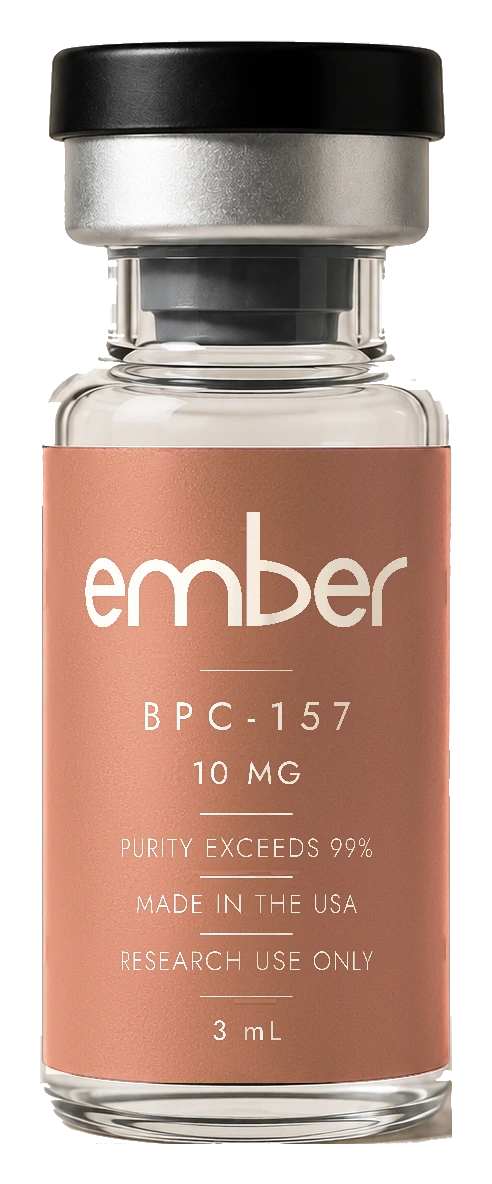
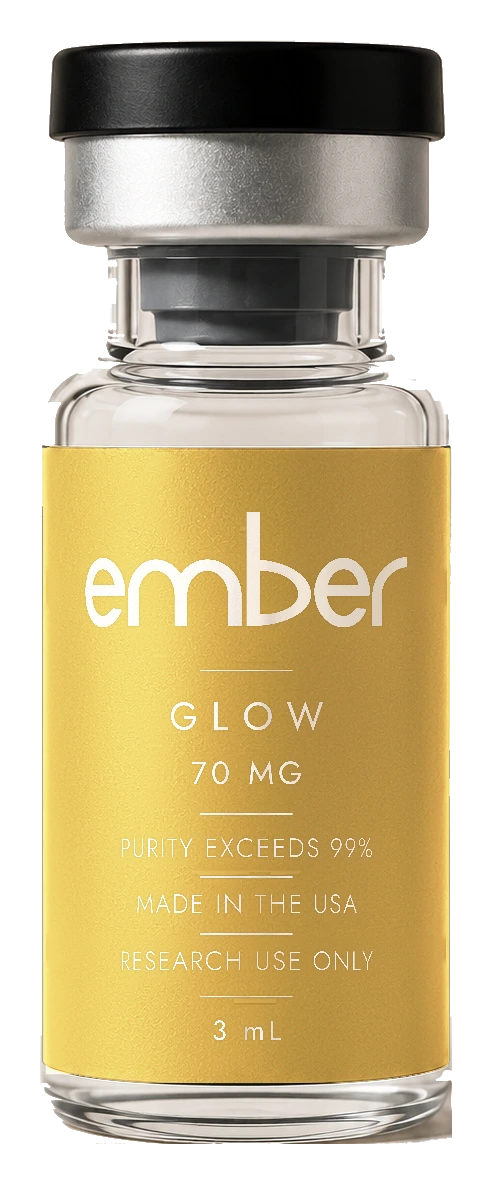
Every vial is intended to clearly state its compound, strength, lot and research-use designation, so the material in hand can always be matched to its record.
Storage and fulfillment
Storage and handling requirements vary by compound. Rather than a single universal claim, requirements are displayed specifically at the product level and followed during fulfillment.
Customer support
Responsive documentation and order support for qualified researchers — for lot records, specifications, availability and order questions.
The release standard
Seven steps, in order. A product becomes purchasable at the seventh, with the records to match.
-
01
Lot assigned
A finished lot is received and its lot number is recorded against the product.
-
02
COA received
The certificate of analysis for that lot is attached to the record, with the lot it states, its date and the analyses it carries.
-
03
Product and lot matched
A person confirms the document maps to this product and this lot. A certificate naming a different lot is refused.
-
04
Required analyses reviewed
The certificate is checked against the testing panel configured for that product. Every required analysis must be present.
-
05
Internal review completed
The review is recorded as approved or rejected, with a reason where it is rejected.
-
06
Supervisor release approved
A supervisor authorises the release. The gate is asked whether the result is purchasable; if it is not, nothing is written.
-
07
Product becomes purchasable
Availability is derived from the record, never stored on it.
Every EMBER product becomes available only after its current lot-specific COA has been received, reviewed, and linked to the exact lot offered for sale.
When a lot record is under review
A review is a statement that the record is being checked. The lot stays out of sale for its duration, and the documentation already published for it stays visible.
-
01
A concern is raised
A product-document mismatch, a complaint, or an investigation.
-
02
The lot is placed on hold
A supervisor places the hold with a written summary. The product comes off sale immediately.
-
03
The lot remains unavailable
While a hold is open the product cannot be purchased. There is no partial release.
-
04
The investigation is documented
What was checked, what was found and what it means are written down against the hold.
-
05
An outcome is recorded
Retest, redocument, release, or reject the lot. Each outcome is recorded as itself.
-
06
Releasing again is a fresh decision
Resolving a hold never puts a product back on sale by itself. A supervisor must release the lot again, and that is recorded separately. A rejected lot does not return.
- Sell a product without a current lot-specific COA.
- Use an old COA for a new lot.
- Present pending documentation as completed.
- Release a lot with a product-document mismatch.
- Enable checkout while a lot is on hold.
The certificate is preserved and linked to the lot record. A superseded lot keeps its certificate, so an older vial can still be matched to its documentation.
What Made in the USA means at EMBER
For EMBER, Made in the USA refers to domestic product manufacturing—not simply domestic warehousing, labeling, packaging, or order fulfillment. Supporting manufacturing evidence is maintained internally and reviewed before the claim is published.
Not currently published This claim is not currently published on the site. It appears once the supporting evidence has been reviewed.
Tested in the USA
Analytical work is performed through U.S.-based facilities. Testing scope is stated by product and lot rather than implied globally.
Not currently published This claim is not currently published on the site. Product and lot records show the actual testing status today.
Why partner details are not published
EMBER keeps proprietary supplier and facility relationships confidential. The substantiation behind each claim is maintained internally and reviewed before the claim is published.
Confidentiality is not a substitute for evidence. A claim that cannot be substantiated internally is not published, whether or not its details are confidential.
The EMBER Trust Standard
A supplier should be judged on what it refuses to blur. These are the rules the site itself is built to enforce.
Released only when the record is complete
A product becomes available for purchase once its current lot-specific certificate of analysis has been received, reviewed and linked to that lot. The rule is enforced by the release gate, not by editorial intent.
One product. One lot. One current record.
The certificate names the same finished lot the product is offered on. A certificate issued for another lot is not documentation for this one.
Documentation moves with the lot
The lot the document states is recorded beside the lot the product is on, and the two must match at the point of attachment and again at the gate.
A record under review is a record under review
Placing a lot under review takes it out of sale and opens a documented case. It returns to availability only when a supervisor releases it again, and that is recorded separately.
A certificate is not a substitute for tests that were not run
A certificate confirms the analyses it actually carries. It says nothing about sterility, endotoxin or anything else the lot record does not list.
Claims are substantiated before they are published
Origin and testing claims are reviewed against internal records before they appear. A claim without substantiation is withheld rather than softened.
Confidential is not the same as unsupported
Laboratory, supplier and facility relationships stay confidential. The evidence behind a claim still has to exist, and is reviewed before the claim goes live.
Documents are lot-linked
A record connects one certificate to one product and one lot. A document that cannot be tied to a lot is not published as though it can.
Results are not rewritten
A figure appears as the issuing laboratory reported it. EMBER does not round, restate or summarise a result in place of its document.
Pending means pending
A pending record means a certificate has not been issued. It never means a result exists and is being held back.
Unsupported figures are not published
No purity, potency, sterility or endotoxin value appears anywhere on this site without an issued certificate behind it.
Records are preserved
A superseded lot is archived rather than deleted and keeps its certificate, so a vial bought last quarter can still be matched to its documentation.
Some of the clearest signals of trust are the things a supplier refuses to do.
- Present a generic document as if it were lot-specific.
- Substitute a different material without disclosure.
- Publish purity or identity figures that are not supported by a record.
- Make medical, treatment or performance claims.
- Provide human-use, dosing or administration instructions.
- Display fabricated certifications or laboratory names.
- Invent a laboratory, or describe one generically to imply it exists.
- Present a generic document as if it were batch-specific.
- Use one stock document across multiple unrelated lots.
- Hide a known discrepancy between a product and its record.
- Describe testing that is pending as though it were completed.
- Publish a Made in the USA claim that domestic warehousing, labeling, packaging or fulfillment alone would satisfy.
- Use confidentiality as a substitute for evidence.
- Sell a product without a current lot-specific COA.
- Use an old COA for a new lot.
- Present pending documentation as completed.
- Release a lot with a product-document mismatch.
- Enable checkout while a lot is on hold.
- Claim two-laboratory testing before that programme is operating.
Products offered by EMBER are intended strictly for laboratory research use only. They are not intended for human or veterinary use, or for the diagnosis, treatment, cure or prevention of any disease.
Buyers must be qualified to purchase and handle research materials, and must use all products in accordance with applicable laws and regulations.